
Welcome to our watch page.
Here you find all our episodes as videos with a description of each, we’ve also added links to each episode on spotify and apple podcasts.
This is Season 9, episodes 65 – 72.
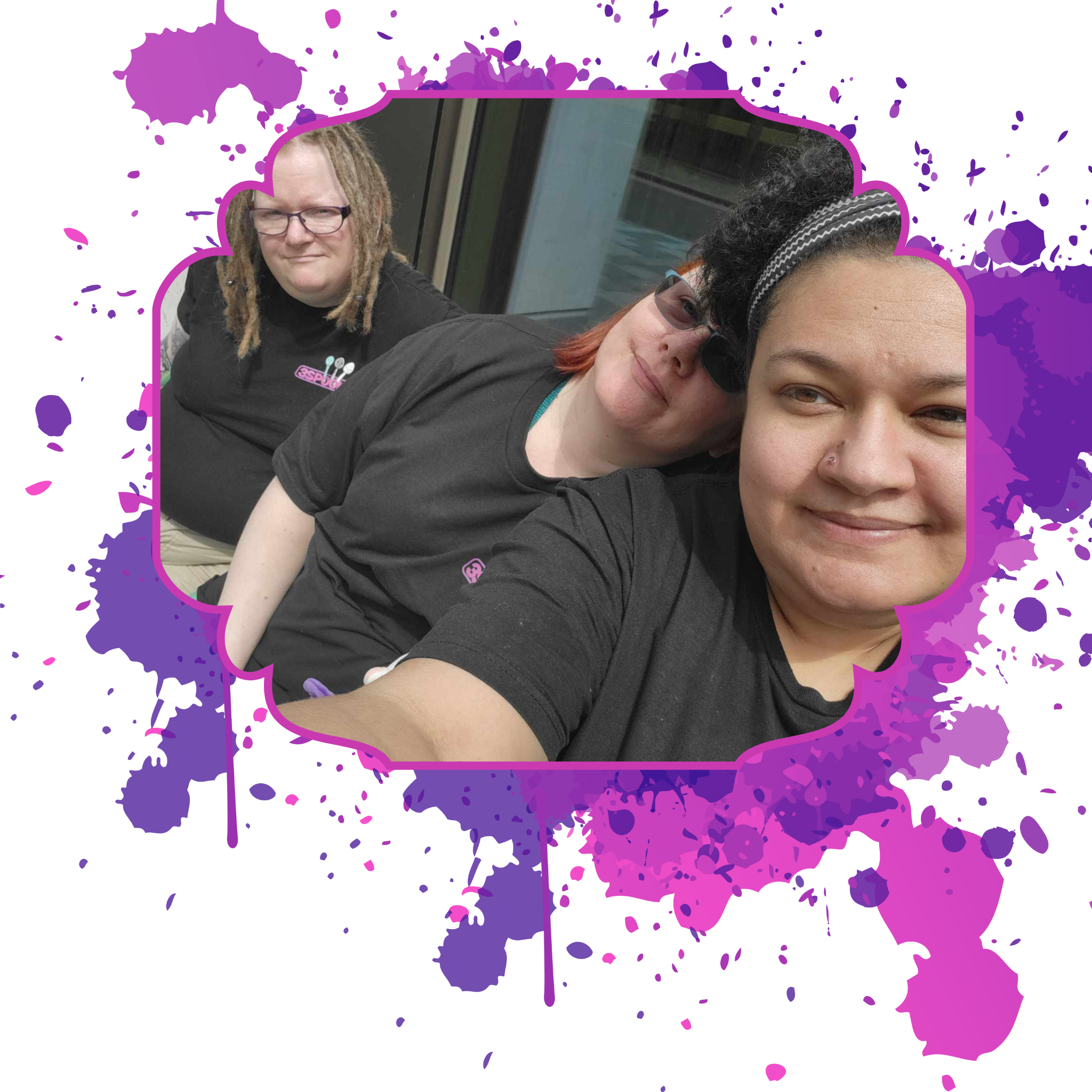
Episode 65: Camping when Disabled
Can you still go camping when you’re disabled or chronically ill — and what can make it actually manageable? In this episode of 3Spoonies, we share our experiences of camping at different stages of disability, from Scouts and LARP events to Claire’s recent experience of accessible camping at Download Festival. We talk about choosing a tent you can actually get in and out of, why extra space matters, accessible campsites, managing walking and fatigue, getting a decent night’s sleep, staying warm, toilets, mobility aids and why sometimes taking more stuff is exactly what accessibility requires.
We also share the practical camping adaptations we’ve learned along the way, including keeping medication and essentials accessible, camp beds and sleeping mats, comfortable chairs, lighting, power banks and charging medical equipment. Most importantly, we talk about giving yourself permission to camp differently: if you need a bigger tent, an air mattress, a walking stick, accessible viewing areas or a bag full of things that help you get through the day, take them. Camping when disabled doesn’t have to look like anybody else’s version of camping.
Release Date: 1 October 2026
Episode 65.5: Camping when Disabled: Community Questions
How do you keep medication refrigerated while camping? What’s the easiest way to transport all your gear when you’re disabled? And how do you keep phones, medical devices and other essential gadgets charged when you’re living in a tent? In this 3Spoonies Community Questions episode, we answer your practical questions about making camping more accessible, from contacting campsites about refrigerated medication storage and choosing bags that work with your mobility to rucksacks, trolleys, vans and some surprisingly inventive festival transport solutions.
We also talk power banks, charging facilities, solar panels, battery-saving tricks and why you should test your chargers and cables before disappearing into a field. Whether you’re planning an accessible festival, a weekend campsite stay or your first camping trip with a disability or chronic illness, the biggest lesson is that there’s no single correct setup — plan around your body, your equipment and what makes camping manageable for you.
Release Date: 8 October 2026
Episode 66: On Long Covid
In this episode we are joined by Amy Butterworth and Emma Brackenbury for an open and honest conversation about living with Long COVID and the enormous impact it can have on your health, work, identity and everyday life.
Long COVID doesn’t look the same for everyone. Symptoms can change, fluctuate and appear unexpectedly, while things that would once have been completely ordinary can suddenly require careful planning and days of recovery.
And being able to do something once doesn’t mean they’ll be able to do it again tomorrow.
This is a conversation about Long COVID, but it’s also about living with chronic illness, learning to listen to your body and building a life that works with the energy you actually have.
Release Date: 15 October 2026
Episode 66.5: On Long Covid: Community Questions
What’s the difference between Long COVID and ME/CFS? Can getting sick again make Long COVID worse? How do you avoid infections when germs are everywhere? And how on earth do you explain chronic fatigue to someone else?
In this Community Questions episode we are joined once again by Amy Butterworth and Emma Brackenbury to answer questions from the community about living with Long COVID.
Release Date: 22 October 2026
Episode 67: On Conspiracy Theories
It’s Halloween, so we’re diving into some of the strangest, most controversial and most harmful conspiracy theories we’ve encountered.
In this special episode we explore conspiracy theories ranging from anti-vaccine misinformation and cancer cure myths to eugenics, disability benefits, mobility scooters and even claims about what’s really in our food.
Along the way we explore where some of these theories came from, why people believe them, and the real-world consequences they can have for disabled people and society as a whole.
This episode mixes humour, history, lived experience and evidence-based discussion to examine some of the stories that refuse to disappear.
Whether you’re fascinated by conspiracy theories, interested in disability rights, or simply enjoy a good Halloween discussion, this episode is packed with thought-provoking conversation.
Release Date: 29 October 2026
Episode 67.5: On Conspiracy Theories: Community Questions
What if Paul McCartney died in 1966 and was secretly replaced?
What if Right Said Fred were blacklisted by the Illuminati?
And what if every pigeon you’ve ever seen is actually a government surveillance drone?
In this bonus Halloween episode we take a lighter-hearted look at some of the strangest conspiracy theories they could find. From Beatles replacement theories and secret societies to the famous “Birds Aren’t Real” movement, we explore how these ideas start, why they spread, and just how ridiculous some of them can become.
Along the way we discuss Beatles clues, backwards messages, mystery lookalikes, surveillance birds, Shakespeare’s birds in America, and whether anyone can really keep a secret that big.
This episode is a fun companion to our main Conspiracy Theories discussion and proves that sometimes the most entertaining conspiracy theories are the ones nobody could possibly take seriously.
Or could they?
Release Date: 5 November 2026
Episode 68: On Money and Mental Health
Money worries don’t stay neatly inside your bank account. Financial stress can affect sleep, physical health, relationships, work and your ability to deal with the very money problems causing the stress in the first place. In this episode we are joined by Anita Pickersgill, the self-described “debt collector with a heart”, to discuss the connection between money and mental health, the cost-of-living squeeze, debt, disability, benefits, self-employment and why financial problems can become completely overwhelming.
We also explore practical ways to reduce money-related stress, including understanding your numbers, checking forgotten subscriptions, recognising the true cost of credit, asking for help before debts escalate and learning more about your rights and available support. We discuss why financial literacy should be taught in schools, the shame that still surrounds money problems, and why being able to talk honestly about struggling financially matters — especially for disabled people and small business owners.
Release Date: 12 November 2026
Episode 68.5: On Money and Mental Health: Community Questions
In this Money and Mental Health Community Questions episode we are joined again by credit management specialist Anita Pickersgill to answer your questions about financial anxiety, impulse spending and managing money when your mental health is struggling. We discuss how to check your bank balance without triggering more stress, why avoiding your finances altogether can make anxiety worse, and how visual budgeting and regularly checking transactions can make money feel more manageable.
We also look at practical ways to put safeguards around manic or impulsive spending, including reducing credit limits, separating spending money from money needed for bills and putting controls in place while you’re feeling well. Finally, we explore what you can do when mental health problems mean working fewer hours and having less disposable income, from finding free or low-cost activities to reconnecting with your local community.
Release Date: 19 November 2026
Episode 69: On Representation in Sport
What does true disability representation in sport look like?
In this episode we explore disability, inclusion and accessibility in sport with two incredible guests:
- Russell Vollmer, Paralympian, sailor and disability advocate.
- Darren Harris, England’s most capped and decorated blind footballer.
Together we discuss the reality of disabled sport beyond the headlines and ask whether major events like the Paralympics are truly changing perceptions or simply creating new stereotypes.
This is an honest conversation about what has improved, what still needs to change, and why representation alone isn’t enough without genuine access and opportunity.
Whether you’re disabled, involved in sport, work in accessibility, or simply want to understand disability inclusion better, this episode offers valuable insights from people with lived experience.
Release Date: 26 November 2026
Episode 69.5: On Representation in Sport: Community Questions
How accessible is sport really?
In this Community Questions episode we answer your questions about disability representation, accessible sports facilities, inclusion, adaptive equipment and what happens when disabled athletes suddenly find themselves in the spotlight.
We also explore the challenges that arise when facilities are redesigned without considering disabled users, and why consultation and accessibility should never be an afterthought.
If you’ve ever wondered how sport can become more inclusive, or if you’ve faced barriers yourself, this episode is for you.
Release Date: 3 December 2026
Episode 70: On The Extra Costs of Disability
How much does disability really cost?
In this episode we’re joined by Georgina Colman, founder of Purpl UK, to talk about the hidden and often overlooked extra costs of disability.
From mobility aids, wheelchairs and taxis, to higher energy bills, specialist therapies, cleaners, carers, assistive technology and replacement equipment, we explore the reality behind living with a disability in the UK and why many disabled people say support payments still don’t cover the true cost.
Living with a disability often means paying more just to access everyday life — and this conversation shines a light on those realities.
Release Date: 10 December 2026
Episode 70.5: On The Extra Costs of Disability: Community Questions
Welcome to this 3Spoonies Community Questions episode on the extra costs of disability.
We’re joined again by Georgina Colman, founder of Purpl UK, as we answer listener questions about disability costs, money management, work, support and finding reliable recommendations.
Living with disability often means balancing health, finances, work and energy all at once.
This episode shares lived experience, practical ideas and community advice for navigating those challenges.
Release Date: 17 December 2026
Episode 71: On Handling Unexpected Health Setbacks
An unexpected health setback can completely change the plans you’ve carefully built around chronic illness or disability. In this episode we discuss chronic illness flare-ups, changing health baselines and the emotional impact of suddenly having to adjust your life again. From a minor illness becoming the final straw to wondering whether worsening symptoms are temporary or your new normal, we talk about the frustration, fear, grief and uncertainty that can come when your health unexpectedly changes.
We also explore pacing and recovery, rebuilding confidence after a setback, testing new limitations without pushing too far, planning rest around demanding events, reducing decision fatigue and accepting practical support from the people around you. We discuss how health setbacks can change your definition of success, why flexible planning and built-in buffers matter, and the importance of giving yourself time to process what has changed rather than immediately expecting yourself to carry on as before.
Release Date: 31 December 2026
Episode 71.5: On Handling Unexpected Health Setbacks: Community Questions
In this 3Spoonies Community Questions episode we answer your questions about coping with unexpected health changes when you’re already living with chronic illness or disability. We discuss medical appointment anxiety and “waiting mode”, how to stop upcoming tests or referrals consuming your thoughts, talking to people around you for support, finding distractions and dealing with the uncertainty of long NHS waiting lists.
We also talk about the frustration of suddenly having to change your diet because of a food allergy or intolerance, finding alternatives and learning your new boundaries, before answering a question about balance problems and fear of falling. We discuss mobility aids, confidence, asking for help and finding ways to feel safer when you’re out and about. Living with chronic illness means constantly adapting — and sometimes it’s perfectly reasonable to resent having to do it yet again.
Release Date: 7 January 2027
Episode 72: On Neurodivergent People and Families
What does life really look like inside a neurodivergent family? In this episode we are joined by Liz Evans, The Untypical OT, and counsellor and neurodivergence coach Emily Jolliffe to talk about autism, ADHD, dyslexia, neurodivergent parenting and family life. We explore how different needs can clash within the same household, the isolation experienced by some neurodivergent families, receiving a diagnosis as a child or adult, why diagnosis can change the way we understand ourselves, and the exhausting reality of navigating schools, EHCPs, support systems and endless paperwork.
We also discuss parental burnout, masking, mental health, self-care and balancing competing needs, as well as the judgment neurodivergent children and their parents can face from people who only see one moment rather than the whole picture. From why autism isn’t simply a “superpower” to recognising that someone may be unable rather than unwilling to do something, this is an honest conversation about supporting neurodivergent people without expecting families to fit somebody else’s idea of normal.
Release Date: 14 January 2027
Episode 72.5: On Neurodivergent People and Families: Community Questions
In the final Community Questions episode of Season 9, we are joined again by Liz Evans, The Untypical OT, to answer your questions about neurodivergent people and families. What can you do when a neurodivergent child’s noise or stimming causes sensory overload for someone else? How can you regulate your own nervous system without expecting the child to suppress their needs? And should you raise the possibility of autism when an older family member doesn’t identify as autistic? Liz shares practical ideas for managing sensory needs, respecting someone’s autonomy and supporting people based on what actually helps them — with or without a formal diagnosis.
We also discuss what to do when a neurodivergent child isn’t getting on with a new support worker at school, particularly when there hasn’t been a proper transition. From talking to the school and sharing strategies that work at home to exploring whether it’s a transition issue, personality clash or need for additional training, the message is clear: don’t sit at home worrying and wait for things to reach crisis point.
Release Date: 21 January 2027