
Humour isn’t just entertainment. For many disabled and chronically ill people, it’s survival.
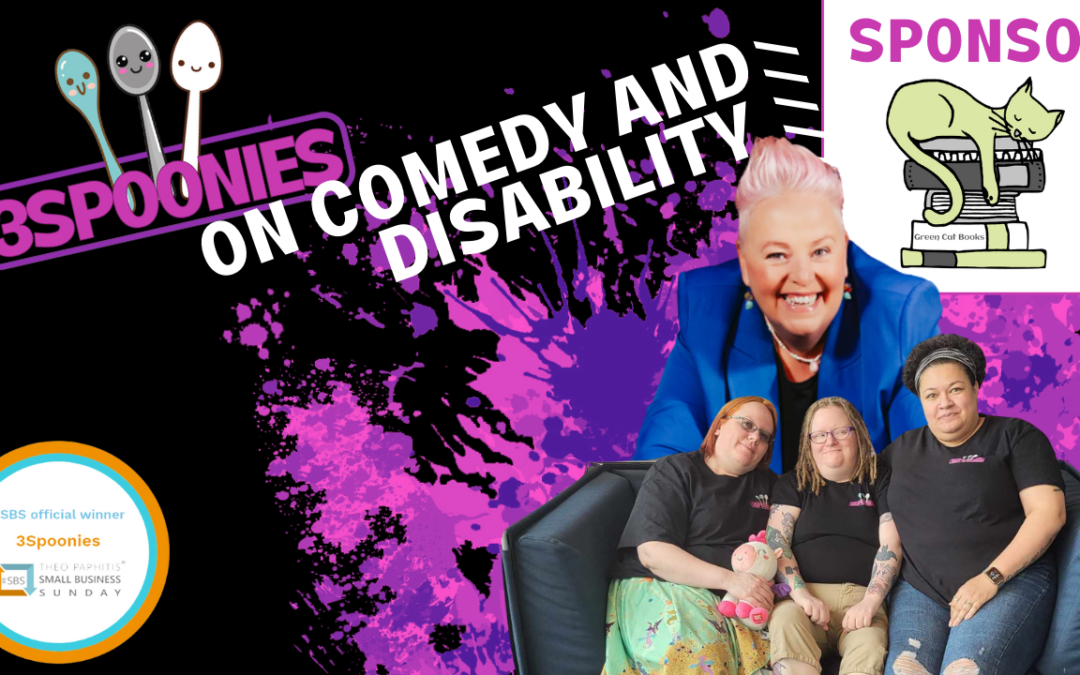
In this episode of 3Spoonies, we’re joined by comedian Suzi Payton to talk about comedy, disability, and the complicated, powerful role that humour plays in coping with chronic illness, pain, grief, and everyday ableism.
It’s a conversation about dark humour, boundaries, audience discomfort, and why laughing at the absurdity of disabled life can sometimes be the only thing that keeps you going.
Find out more about Suzi here.
Why Disabled People Use Dark Humour
One of the biggest themes in this episode is dark humour as a coping mechanism.
When you live with chronic pain, fatigue, medical trauma, and constant uncertainty, humour becomes a pressure valve. It’s a way of processing things that are otherwise unbearable.
Suzi shares how comedy gives her:
- A way to reclaim control over her own narrative
- A safe outlet for anger, grief, and frustration
- A way to connect with other disabled people who “get it”
For many spoonies, humour isn’t about making light of disability. It’s about making life with disability survivable.
Laughing With vs Laughing At
We also talk about the difference between:
- Disabled people joking about their own lives and bodies
- Non-disabled people laughing at disability from the outside
That line matters.
When disabled people use humour about their own experiences, it’s usually rooted in lived reality, pain, and resilience. When non-disabled audiences laugh without understanding the context, it can quickly slide into discomfort, pity, or outright ableism.
Suzi reflects on what it’s like performing disability-related comedy to mixed audiences — and how unpredictable reactions can be when people don’t know whether they’re “allowed” to laugh.
Audience Discomfort and Ableism in Comedy Spaces
Comedy clubs and performance spaces aren’t always friendly environments for disabled people.
We talk about:
- Awkward audience reactions to disability jokes
- People not knowing whether to laugh or feel bad
- The pressure to make audiences “comfortable” with disability
- Microaggressions disguised as concern or praise
There’s often an unspoken expectation that disabled comedians should be either:
- Inspirational
- Educational
- Or grateful just to be there
Suzi challenges that — because disabled performers are allowed to be funny, messy, political, sarcastic, angry, silly, and dark like anyone else.
Should Comedy About Disability Be Educational?
Another big question we explore is whether comedians with disabilities are expected to educate their audiences.
There’s a huge emotional labour cost in constantly explaining:
- What chronic illness is
- Why accessibility matters
- Why certain jokes are harmful
- Why inspiration porn is damaging
Suzi talks honestly about the tension between:
- Wanting to change perceptions
- Wanting to just do comedy without being a spokesperson
Sometimes humour does shift perspectives.
Sometimes it’s just a joke to survive the day.
Both are valid.
Boundaries, Self-Protection and Reclaiming the Narrative
One of the most powerful parts of the episode is the conversation about boundaries.
Using humour doesn’t mean:
- You owe people access to your pain
- You have to soften their discomfort
- You have to explain yourself
- You have to perform resilience
Comedy can be:
- A shield
- A boundary
- A way of staying human in a system that constantly dehumanises disabled people
For Suzi, comedy is about reclaiming autonomy over how her story is told — and refusing to let others define what her disability means.
Why Representation in Comedy Matters
This episode also reinforces why disabled representation in comedy and media matters so much.
When disabled people see others like them:
- Being funny
- Being honest
- Being messy
- Being complex
…it creates permission to exist as a full person — not just a diagnosis.
It challenges stereotypes.
It builds community.
It reminds people they’re not alone.
Final Thoughts
This episode isn’t just about comedy.
It’s about:
- Survival
- Autonomy
- Representation
- Boundaries
- Lived experience
- And the right to laugh at your own life
For many spoonies, humour isn’t a bonus feature.
It’s a life raft.
🎙️ Listen to the episode:
Comedy, Disability & Dark Humour — Laughing Through Chronic Illness with Suzi Payton on the 3Spoonies podcast.
If you’d like new episodes straight to our inbox each week with all the ways to watch, listen and read then join our mailing list.