
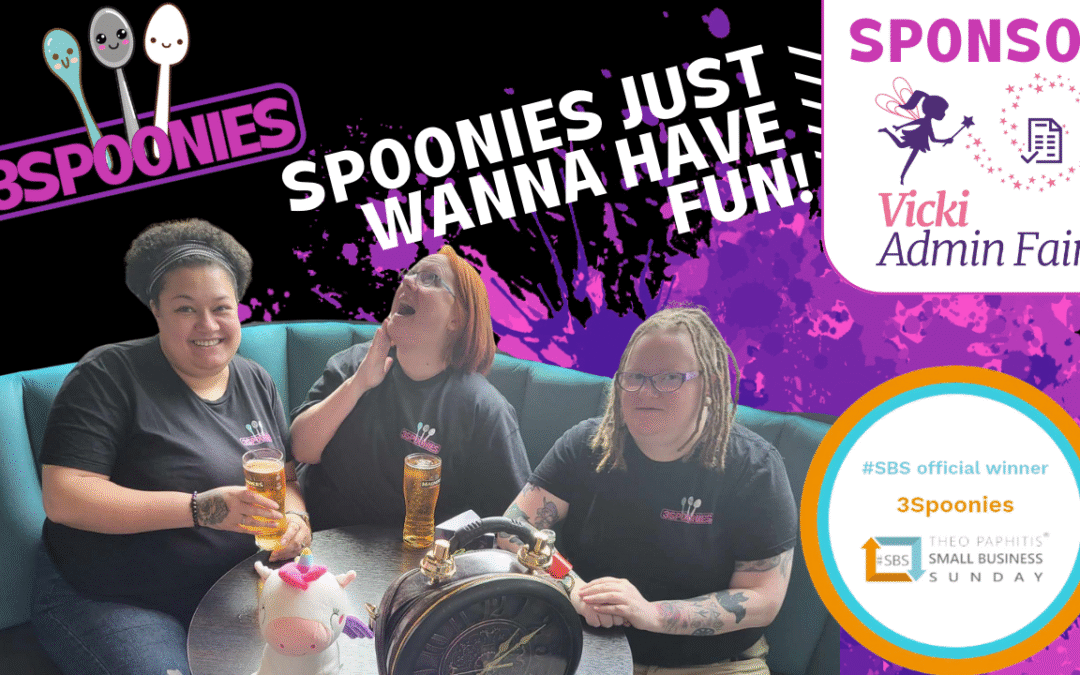
In Season 6, Episode 41 of 3 Spoonies, hosts Karen, Jo, and Claire get real about fun—what it looks like when you’re chronically ill or energy-limited, how to plan for it, and how to adapt old favorites so they still feel joyful. The episode covers everything from gaming and movie days to spa trips, board games, accessibility, and the emotional side of planning fun when your energy is unpredictable.
The big theme: fun matters for mental health, but it often takes intention, flexibility, and smart pacing.
Why Fun Matters (Especially for Spoonies)
– If you don’t plan fun, it’s often the first thing to go—after work, family, and health tasks.
– Without joy, life can become monotonous and mentally draining.
– Scheduling small, meaningful moments of fun can prevent burnout and help you feel more like yourself.
Planning vs. Spontaneity
– All three hosts balance planning with flexibility. Big activities need scheduling and recovery time.
– “Fun days” are great—but avoid making non-fun days feel like “sad days.” Sprinkle joy in daily life where possible.
– Build in buffers between tasks; switching from work to fun often requires a mindset shift.
Everyday Fun Ideas (Low-Spoon Wins)
– Movie days with snacks and duvets—cozy, flexible, and low-pressure.
– Co-watching TV with family or friends; make it an occasion with a special drink or treat.
– Short, light gaming sessions; puzzle/point-and-click games can be gentler on brain and hands.
– YouTube/documentaries for learning and enjoyment during rest.
– Bath or shower podcasts; audiobooks paired with simple activities like coloring or light chores.
Gaming with Limited Energy and Mobility
– Adapt how you play: cooperative games where one person handles controls, or slower paced styles like point-and-click adventures.
– Pay attention to ergonomics and posture—leaning forward or tense positions can cause pain.
– Consider gentle “brain wake-up” gaming to assess how you’re feeling in the morning.
– Accept all-or-nothing tendencies and plan dedicated game time when needed.
Podcasts, Audiobooks, and Attention Span
– Not everyone can sit and listen; pairing audio with simple hand activities can help.
– Try podcasts while cooking, cleaning, bathing, or walking around the house.
– If you tend to fall asleep listening—short sessions or tied to a task can help.
Cooking and Baking, Adapted
– Pre-prep on good days: chop veg, portion ingredients, freeze what you can.
– On low-energy days, “assemble” meals with prepped parts while playing music and moving gently.
– If manual dexterity is an issue, consider kitchen tools/gadgets that reduce strain.
Board Games That Work
– Choose shorter, simpler titles with minimal rules look-up (e.g., Patchwork, Odin’s Ravens).
– Consider collaborative formats or trivia with generous timing to reduce pressure.
– Two-player options are great when social energy is low.
Going Out: The Realities and Workarounds
– Spontaneity is hard; most outings require planning and recovery.
– Theatres, wildlife parks, museums—still possible, but energy management is key.
– Flat walking is still exertion; hills and long routes can be too much without clear breakpoints.
– Research accessibility: route lengths, cut-throughs, seating, indoor/outdoor conditions, temperature.
Your Spoonie “Go-Bag” Checklist
– Meds and pain relief
– Electrolytes and water
– Snacks
– Cooling towels or warm layers (temperature regulation)
– Mobility aids or seating plans (if needed)
– Small distractions (if you anticipate long waits)
– A simple schedule with realistic “outs” or shorter loops
Spa Days and Self-Care
– Spas can be a win: water reduces pain and offers gentle relief.
– Research thoroughly (allergies, product ingredients, exact treatments).
– Don’t be afraid to ask for substitutions (e.g., swap a pedicure for a scalp massage).
– DIY “room spa” setups at hotels or at home can be a lovely alternative.
Theme Parks and High-Impact Fun
– Rollercoasters can cause significant pain and multi-day crashes, even if you used to love them.
– Long queues, rough tracks, acceleration, and turns can be tough for joints and muscles.
– Research ride smoothness, harness fit for plus-size bodies, queue durations, and rest options.
– Sometimes, the most Spoonie-friendly version is enjoying the atmosphere, shows, or short rides.
Handling Disappointment When Plans Change
– Even well-planned outings can go sideways—be ready to pivot.
– Reframe and create moments in the moment (the hosts filmed a mini silent movie when a steam ride was a letdown).
– Build flexibility into plans and keep expectations gentle.
Key Takeaways
– Fun isn’t optional; it’s fuel. Put it on the calendar, even in small ways.
– Plan the fun—and the recovery. Buffers are your friend.
– Modify old hobbies to fit your current capacity.
– Use tools, teamwork, and substitutions to make activities accessible.
– Build a go-bag and a realistic plan with “outs.”
– Embrace low-spoon joy: movies, gentle games, podcasts with light tasks, and spa-style self-care.
What do you do for fun with limited spoons? Share your ideas and adaptations—they could inspire someone else. And if you enjoy the show, leave a review, subscribe, or send a coffee their way. Spa day contributions optional… but encouraged!
You can find all the ways to listen and watch this episode here.
If you’d like new episodes straight to your inbox then sign up to our mailing list.